

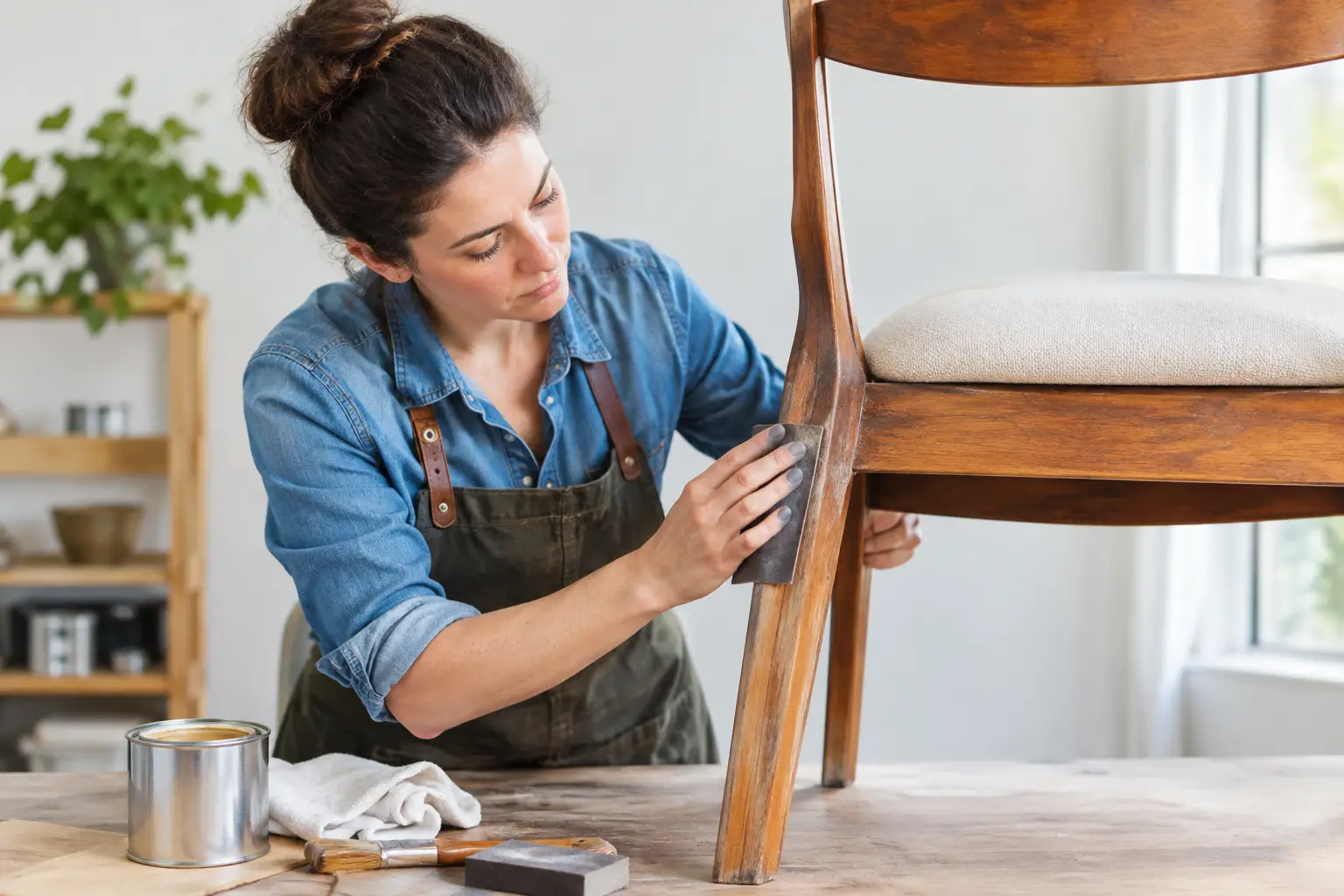
A sofa can look tired long before it is finished. Fabric fades, cushions lose their shape and a dining chair begins to wobble, yet the frame beneath may be far stronger than a new replacement. Furniture restoration is about recognising that difference: retaining what was made well, repairing what has failed and renewing the parts you see and use every day.
For Sydney homes, this often means keeping a favourite armchair that suits a particular corner, an inherited dining setting with genuine timber construction, or a well-proportioned sofa that no current showroom piece quite replaces. Done properly, restoration is not a quick cosmetic cover-up. It is a considered process that balances structure, comfort, appearance and the way the piece will be used.
What furniture restoration can involve
The right scope depends on the furniture and its condition. A chair with sound upholstery but loose joints may need structural repair only. A sofa with a firm frame and worn fabric may be an excellent candidate for complete reupholstery. An antique may require a more restrained approach, preserving original details while addressing damage that could worsen with use.
Furniture restoration can include frame repairs, joint strengthening, replacement of webbing or springs, new foam and fillings, timber touch-ups, polishing, fabric re-covering and the remaking of loose covers or cushions. In some cases, the best outcome is deliberately subtle. In others, a new fabric, piping detail or buttoned finish can give a familiar piece an entirely different character.
The distinction matters because fabric alone cannot solve a structural problem. Covering a sagging seat without repairing its support may make it look better briefly, but it will not improve its comfort or lifespan. Equally, replacing every original element of an antique simply because it appears aged can remove much of what makes it valuable.
Start with the frame, not the fabric
When assessing furniture for restoration, the frame is usually the first question. Solid hardwood frames, well-made joints and quality construction are worth protecting. They can often be repaired and reupholstered several times over their life.
Signs of a repairable piece include minor movement at joints, squeaks, split rails, tired seat support and cushions that have compressed over time. These are common faults in furniture that has been used as intended. A specialist workshop can determine whether the joints can be reglued or reinforced, whether broken components can be remade, and whether the internal support system needs rebuilding.
There are limits. Extensive water damage, severe timber rot, widespread woodworm damage or a frame built from low-grade particleboard may make restoration poor value. This does not automatically rule it out, particularly where a piece has sentimental importance, but it changes the conversation. A dependable assessment should explain the likely work, the expected lifespan and whether the investment makes sense.
Reupholstery changes more than the colour
Reupholstery is often the most visible part of furniture restoration, but the fabric choice should follow the intended use. A pale linen may suit an occasional bedroom chair beautifully, while a family-room sofa or a busy restaurant banquette needs a more resilient material. Texture, weave, abrasion performance, cleanability, pattern scale and how a fabric sits over curves all affect the finished result.
Comfort also deserves attention. Foam is not one-size-fits-all: density, firmness and layering influence how a seat feels now and how it performs after years of use. Feather wraps can create a softer, more relaxed finish but require regular plumping. Firmer foam may be better suited to dining seating, commercial applications or clients who prefer a supportive sit.
Details make a meaningful difference. Contrast piping can sharpen a contemporary sofa; a skirt or loose cover can soften a room; diamond buttoning can restore the formality of a traditional chair or headboard. These elements should suit the furniture rather than be added for effect. Traditional methods such as spring-edge work and hand-finished buttoning remain relevant because they produce results that machine-made shortcuts often cannot match.
Restoring antique furniture with restraint
Antique furniture calls for a different mindset. Its marks, patina and irregularities may be part of its story, not defects to erase. The aim is generally to stabilise and preserve the piece, allowing it to be used without unnecessarily altering original construction or character.
That may mean repairing a loose frame while retaining existing timber finishes, carefully matching missing trim, or choosing upholstery that respects the period without turning the room into a museum. Some owners want a historically sympathetic restoration; others want an antique frame upholstered in a fresh, modern textile. Both can work when the structure is treated with care and the design decision is intentional.
Before stripping an antique, consider its provenance, any maker’s marks and the significance of its existing materials. Original upholstery is sometimes worth documenting even when it cannot remain in daily use. A specialist can help identify which elements should be retained, repaired or replaced.
When restoration is the better choice
Restoration is not only about nostalgia. Well-made older furniture often has better timber, stronger frames and more generous proportions than many mass-produced alternatives. Keeping it in service also avoids sending a substantial item to landfill simply because the outer layer has worn out.
It is particularly worthwhile when the furniture fits the home, has sentimental value, is part of a coordinated setting or was originally made to a higher standard. For interior designers, restoration can also provide the control needed for a specific scheme: the exact fabric, cushion profile, trim, height or finish can be selected rather than approximated from retail options.
Cost should be considered honestly. Quality restoration is skilled, hands-on work, and it may cost more than buying an entry-level new piece. The comparison, however, should be with furniture of equivalent construction, comfort and longevity – not only with the cheapest replacement available. A sound frame, rebuilt properly and finished in a suitable material, can provide many more years of use.
A practical process for a better result
The most efficient way to begin is with clear photographs showing the whole piece, close-ups of worn areas and any visible damage. Include approximate dimensions and a note about how the furniture is used. A sofa in a home with children and pets needs a different solution from a decorative occasional chair.
An initial discussion should cover the frame condition, desired look, fabric options, timing and whether collection and delivery are required. If the piece is accepted for restoration, the workshop can inspect the internal construction once the upholstery is removed. This is where hidden issues, such as fatigued webbing or cracked rails, become clear.
Allow room for informed decisions during the process. Occasionally, dismantling reveals work that was not visible from the outside. Addressing it then is usually wiser than completing a beautiful re-cover over a compromised foundation.
Cover It Upholstery has restored and reupholstered furniture across Sydney since 1998, bringing traditional upholstery knowledge and contemporary design judgement to each project. With more than 100 years of combined experience in the workshop, the focus remains straightforward: repair the furniture properly, select materials suited to its use and finish it with care.
A well-restored piece should not feel precious or untouchable. It should return to the room ready for everyday life, carrying its history forward with better comfort, sounder structure and a finish that belongs in the home now.
